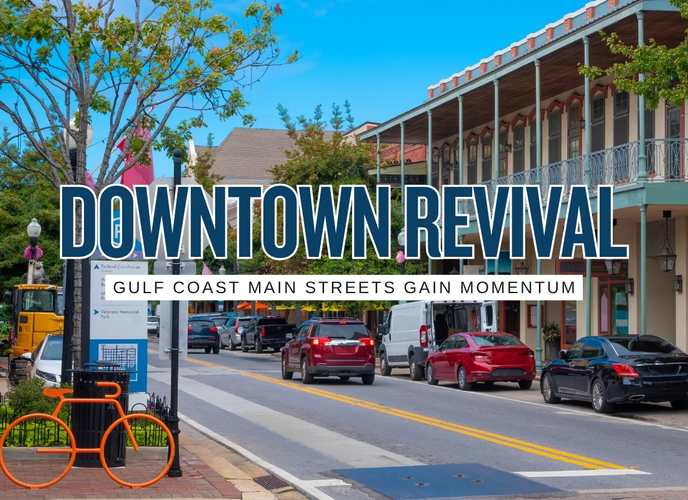
The new coastal downtown formula is not just beach traffic. Main Streets are using restaurants, historic buildings, walkable blocks, festivals, boutique hotels, cruise activity, arts, breweries, marinas, and local shopping to turn visitor demand into steadier year-round business.
Coastal Main Streets Are Becoming Business Engines
Across the Gulf Coast, the most interesting tourism story is happening a few blocks inland from the beach. Downtown districts are becoming the place visitors spend money before check-in, after dinner, during rainy afternoons, between cruise departures, on event weekends, and during shoulder-season trips.
This matters for local business owners because a strong Main Street can stretch a tourism economy beyond hotel rooms and beach rentals. A walkable downtown creates smaller revenue lanes: breakfast spots, boutiques, galleries, bars, bookstores, dessert shops, local apparel, golf cart rentals, bike rentals, seafood markets, event venues, coworking spaces, wellness studios, historic inns, marina services, and short-term rental management.
Downtown Revival Scorecard
Not every coastal town is growing the same way. Some are powered by cruise traffic. Some lean into art, restaurants, and historic architecture. Others are building around outdoor recreation, beach spillover, marina traffic, or redevelopment projects. The common theme is a shift from seasonal tourism toward a more balanced local economy.
| Downtown | Business Signal | Year-Round Opportunity |
|---|---|---|
| Ocean Springs MS | Walkable downtown, art culture, dining, shopping, and facade improvement activity. | Galleries, restaurants, boutique retail, live music, professional services, wellness, and local events. |
| Bay St. Louis MS | Old Town charm, waterfront identity, restaurants, galleries, and casino-adjacent regional traffic. | Weekend hospitality, local retail, events, second-home services, and food-focused tourism. |
| Pass Christian MS | Main Street activity, harbor access, historic homes, new development, and a quieter coastal brand. | Boutique lodging, seafood, marina support, paddle events, neighborhood retail, and wedding weekends. |
| Gulf Shores AL | High-volume tourism market looking to protect small-town character while planning new infrastructure. | Retail, restaurants, family entertainment, local services, events, and traffic-friendly visitor experiences. |
| Fairhope AL | Walkable downtown, strong retail appeal, events, restaurants, and commercial real estate momentum. | Upscale local shopping, dining, galleries, professional services, retirement economy, and day-trip traffic. |
| Pensacola FL | Major reinvestment in Palafox, strong visitor spending, redevelopment near downtown, and historic street appeal. | Restaurants, nightlife, offices, events, hotels, retail, workforce housing, and cultural tourism. |
| Apalachicola FL | Historic downtown, seafood identity, riverfront appeal, boutique shopping, and Forgotten Coast tourism. | Seafood restaurants, inns, galleries, eco-tourism, fishing charters, heritage retail, and slow-travel stays. |
| Tarpon Springs FL | Sponge Docks, Greek restaurants, historic downtown, specialty retail, and waterfront culture. | Food tourism, heritage tours, retail, festivals, boat tours, specialty markets, and family attractions. |
| Galveston TX | Cruise expansion, historic Strand district, port redevelopment, beaches, events, and hotel demand. | Cruise-adjacent retail, restaurants, luggage services, hospitality, excursions, boutiques, and local transportation. |
9 Gulf Coast Main Streets Building Year Round Momentum
Ocean Springs MS
Ocean Springs has one of the clearest Main Street success stories on the Gulf Coast. The downtown blends art, restaurants, boutique shopping, oak-shaded streets, events, and a coastal village feel without depending only on beach traffic. Its Chamber and Main Street presence in the heart of downtown reinforces a business district built around local culture, walkability, and small-business identity.
The business opportunity is strongest for operators who can serve both residents and visitors. Restaurants, galleries, wellness businesses, specialty retail, dessert shops, apparel, live music, and professional services all benefit from steady foot traffic. Facade improvement activity also signals that local leaders understand the value of preserving street-level character while keeping storefronts competitive.
Bay St. Louis MS
Bay St. Louis has a downtown that feels like a weekend escape but increasingly operates like a year-round business district. Old Town benefits from restaurants, galleries, local shops, music, waterfront energy, casino-adjacent traffic, and a strong second-home and day-trip audience.
The town’s advantage is emotional. Visitors can understand the downtown quickly: park once, walk, eat, shop, browse art, stay overnight, or return for an event. That creates openings for businesses tied to weekend hospitality, boutique lodging, specialty gifts, local food, home decor, coastal apparel, and services for vacation homes.
Pass Christian MS
Pass Christian is a quieter revival story, which may make it more interesting for smaller operators. The downtown and harbor identity are tied to historic homes, seafood, boating, local restaurants, and a laid-back coastal atmosphere. Main Street messaging emphasizes historic charm, local business, events, and a thriving downtown rather than mass-market tourism.
The opportunity is in controlled growth. Pass Christian can attract businesses that fit the scale of the town: boutique lodging, marina-adjacent services, wedding-weekend businesses, restaurants, coffee, local retail, wellness, and services for residents and second-home owners. The key is preserving the town’s calm character while giving visitors more reasons to spend locally.
Gulf Shores AL
Gulf Shores is not a hidden tourism market, but its business trend is more nuanced than beach volume alone. The city is planning around growth, infrastructure, pedestrian access, recreational access, and small-town character. That creates a business environment where year-round demand can expand beyond peak vacation rentals.
The best opportunities are businesses that reduce friction for visitors and residents: family entertainment, local retail, restaurants, breakfast concepts, transportation, beach services, golf-cart style mobility, medical and wellness services, event support, and home services for rental properties. Gulf Shores has the traffic. The competitive advantage belongs to businesses that make the stay easier.
Fairhope AL
Fairhope is a strong example of a downtown that is not only tourist-friendly but resident-friendly. Its Main Street appeal comes from walkable blocks, restaurants, bay views, events, galleries, retail, and a polished small-town brand. That combination helps spending continue outside of classic beach weeks.
For businesses, Fairhope rewards quality and consistency. Upscale retail, home goods, art, boutique fitness, wellness, professional services, restaurants, bakeries, and specialty food can work because the customer base includes locals, retirees, day-trippers, second-home owners, and visitors from the broader Mobile and Baldwin County market.
Pensacola FL
Pensacola’s downtown has the ingredients of a larger Main Street revival: historic architecture, nightlife, restaurants, offices, waterfront proximity, events, and a major reinvestment in Palafox. The New Palafox project is positioned as a major upgrade to infrastructure, accessibility, safety, and visitor experience while preserving historic character.
For local business, Pensacola’s opportunity is density. A stronger downtown can support restaurants, bars, coffee, retail, galleries, hotels, offices, coworking, event venues, workforce housing, and cultural tourism. The city also benefits from a larger regional visitor economy, giving downtown businesses a broader customer base than beach-only destinations.
Apalachicola FL
Apalachicola is a different kind of coastal downtown. It does not need high-rise tourism to be compelling. Its strengths are historic preservation, seafood, riverfront access, restaurants, local shops, galleries, fishing, kayaking, and a slower travel style that appeals to visitors looking for a more authentic Gulf experience.
This creates a strong year-round niche for businesses connected to heritage and place. Seafood restaurants, boutique inns, local art, bookshops, guided tours, fishing charters, eco-tourism, specialty groceries, and regional products can all benefit from visitors who choose Apalachicola because it does not feel like a standard beach strip.
Tarpon Springs FL
Tarpon Springs has one of the most distinctive downtown tourism identities on the Gulf Coast. The Sponge Docks, Greek restaurants, bakeries, markets, sponge heritage, boat tours, and historic downtown create a business district built around culture rather than generic beach traffic.
The year-round opportunity comes from specialization. Food tourism, heritage tours, specialty markets, festivals, family attractions, waterfront dining, gift retail, and cultural events give visitors reasons to come outside a classic summer vacation. For entrepreneurs, the lesson is clear: a downtown with a memorable story can compete even when it is not the biggest beach destination.
Galveston TX
Galveston combines historic downtown blocks, beach tourism, cruise traffic, port investment, events, restaurants, hotels, and regional drive-market demand. The Strand and port-adjacent areas are especially important because cruise growth can bring steady flows of passengers, crew, and families before and after sailings.
The opportunity is converting pass-through traffic into downtown spending. Businesses that serve cruise passengers, hotel guests, day-trippers, and residents can build around luggage storage, breakfast, quick retail, souvenirs, excursions, local transportation, restaurants, convenience items, and pre-cruise or post-cruise experiences.
The Main Street Business Mix That Works
The best coastal downtowns are not built from one kind of business. They work because several categories reinforce one another. A visitor comes for dinner, then shops. A family comes for a festival, then books a room. A cruise passenger comes early, then spends money downtown. A retiree visits in winter, then returns as a seasonal resident. A local worker grabs lunch, then brings family back on Saturday.
| Business Category | Year-Round Role | Strong Coastal Fit |
|---|---|---|
| Breakfast and coffee | Captures residents, workers, hotel guests, early travelers, and event crowds. | Downtowns with inns, marinas, cruise traffic, offices, and weekend visitors. |
| Local retail | Turns walking traffic into impulse purchases and gives downtown a distinct identity. | Art towns, historic districts, beach-adjacent blocks, and day-trip destinations. |
| Restaurants and bars | Extends downtown activity into evening hours and supports repeat local visits. | Waterfront towns, casino-adjacent areas, live music districts, and cruise markets. |
| Boutique lodging | Turns day trips into overnight stays and supports restaurants and retail. | Historic towns, wedding markets, festival districts, and quieter coastal escapes. |
| Events and festivals | Creates spending spikes outside peak summer and gives locals a reason to return. | Main Streets with walkable blocks, public spaces, galleries, music, and restaurants. |
| Services for second homes | Supports year-round revenue beyond visitor weekends. | Vacation-home markets, retirement towns, rental-heavy districts, and coastal neighborhoods. |
Revenue Lanes Behind the Revival
Year-round downtown business is built from many small revenue lanes rather than one giant source. A town may have strong summer tourism, but the smarter strategy is stacking shoulder-season events, resident services, local lunch traffic, weekend getaways, retirement spending, second-home support, and regional day trips.
- ❶ Shoulder-season events: Art walks, food festivals, car shows, holiday markets, fishing tournaments, music weekends, and heritage events can fill slower months.
- ❷ Cruise and port traffic: Galveston shows how cruise activity can support hotels, restaurants, shops, parking, transportation, and pre-cruise spending.
- ❸ Second-home services: Coastal towns support cleaning, property checks, repairs, landscaping, pool service, security, rental management, and local maintenance.
- ❹ Food tourism: Seafood, Greek cuisine, oyster bars, bakeries, breweries, coffee shops, and regional dishes give people a reason to visit in any season.
- ❺ Walkable retail clusters: A single store is a stop. A cluster of stores, restaurants, galleries, and dessert shops becomes an afternoon.
- ❻ Historic lodging: Inns and boutique hotels keep spending downtown instead of sending visitors to highway lodging or beach towers.
- ❼ Outdoor recreation: Kayaking, biking, fishing, walking trails, boat tours, beaches, and marinas extend tourism beyond shopping and dining.
- ❽ Local professional services: Downtown offices, coworking, real estate, insurance, wellness, and medical services bring weekday traffic that tourism alone cannot provide.
Warning Signs for Overheated Downtowns
Downtown revival can create real business upside, but growth has to be managed. A coastal Main Street can lose its advantage if rents rise too fast, parking becomes impossible, local workers cannot live nearby, insurance costs crush small tenants, or every storefront becomes a short-term visitor concept with little resident support.
| Pressure Point | Business Risk | Better Local Response |
|---|---|---|
| Rising rents | Independent shops and restaurants may get priced out before they become stable. | Encourage phased rent structures, local ownership, grants, facade support, and mixed tenant types. |
| Parking frustration | Visitors may skip downtown if the arrival experience feels confusing or stressful. | Improve wayfinding, shared parking, shuttle loops, bike access, and clear event parking plans. |
| Seasonal hiring gaps | Restaurants and stores may struggle to staff peak weekends and events. | Build shared job boards, student pipelines, cross-training, and predictable event calendars. |
| Storm and insurance costs | Older buildings, coastal exposure, and coverage costs can make small-business margins harder. | Support mitigation, documentation, continuity plans, and owner-tenant planning before storm season. |
| Generic retail creep | Downtown loses its identity if every town starts selling the same visitor products. | Protect local makers, regional food, authentic architecture, historic signage, and town-specific experiences. |
Downtown Visitor Spend Estimator
This simple planning tool helps downtown groups, landlords, restaurants, retailers, and event organizers estimate how much local spending a weekend event or shoulder-season promotion could create.
This estimate shows how repeat events can turn visitor traffic into meaningful Main Street revenue.
Tip: Downtown events perform better when stores and restaurants coordinate hours, specials, signage, parking information, social media, and post-event follow-up.
Small Business Plays With Strong Potential
Entrepreneurs do not need to own a hotel or restaurant group to benefit from downtown revival. Many of the best opportunities are smaller, practical, and connected to visitor behavior that already exists.
- ❶ Coffee plus local retail: A morning traffic model that also sells local goods, gifts, books, apparel, or packaged food.
- ❷ Rainy-day experiences: Art classes, tasting rooms, escape rooms, cooking classes, museums, indoor markets, and family activities.
- ❸ Pre-cruise and post-cruise services: Luggage storage, early breakfast, shuttle coordination, quick gifts, local tours, and travel essentials.
- ❹ Event weekend services: Pop-up staffing, portable bars, vendor management, photography, signage, security, cleanup, and local delivery.
- ❺ Second-home support: Property checks, storm prep, cleaning, repair coordination, landscaping, key management, and restocking.
- ❻ Food and heritage tours: Walking tours built around seafood, Greek food, historic homes, art, music, architecture, or local legends.
- ❼ Boutique wellness: Massage, yoga, recovery services, skincare, med spa services, and fitness concepts serving visitors and residents.
- ❽ Downtown convenience: Bike rentals, golf cart rentals where permitted, beach supply delivery, picnic baskets, and family gear rentals.
Local Leaders Can Strengthen the Flywheel
Main Street growth is strongest when local leaders, property owners, business associations, tourism agencies, and event organizers pull in the same direction. The goal is not just more visitors. The goal is more visitor spending that lands in local businesses, supports jobs, preserves character, and improves the resident experience.
Bottom Line for Gulf Coast Business Owners
The Gulf Coast downtown revival is not one trend. It is a collection of smaller shifts: visitors want walkable districts, residents want better local options, second-home owners need services, cruise passengers need convenience, and towns want tourism dollars that support local identity instead of replacing it.
For business owners, the strongest opportunity is finding a service or experience that fits the town’s specific story. Ocean Springs is not Galveston. Tarpon Springs is not Gulf Shores. Apalachicola is not Pensacola. The downtowns that win will be the ones that grow without becoming interchangeable.